The Growing Importance of Ethical Wildlife Encounters
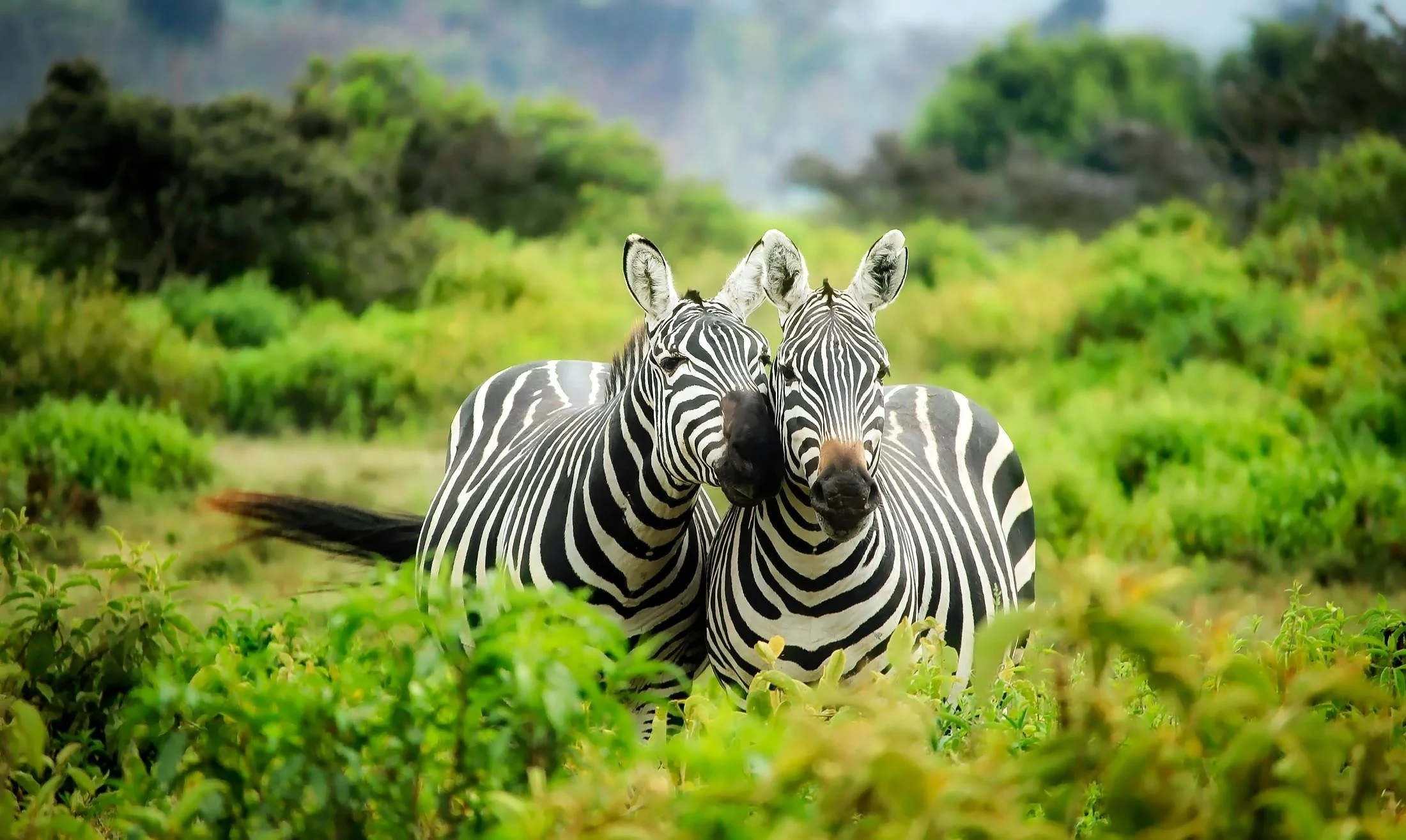
Photo by: Pixabay on Pexels
When traveling abroad, interacting with wildlife can be absolutely incredible. Watching elephants move as a herd across fields in Africa or India, or snorkeling alongside sea turtles off the coast of a tropical island – seeing wildlife up close can take a trip from relaxing to exhilarating.
But here’s the reality that many don’t think of when they travel: many popular wildlife activities hide real harm to the local fauna and flora.
Behind some of the most popular experiences are animals captured from the wild and trained to perform through pain and restraint. Some may be drugged to remain docile or confined in conditions no creature should have to endure.
Does this mean we should never participate in wildlife experiences? By no means! But it does give us a reason to pause and consider whether an excursion or experience could be doing more harm than good.
As sustainable travel continues to reshape how we explore our world, it’s important to learn how to ethically interact with wildlife in ways that protect the most vulnerable – and beautiful – parts of our earth.
Have questions about ethical travel? Want to learn how to build a luxury trip itinerary that protects and sustains our favorite destinations? Schedule a call today to discuss your 2026 travel!
Why Ethical Wildlife Encounters Matter in Sustainable Travel
Have you ever been on a trip and stumbled upon an “exotic wildlife safari” or “up close animal encounter”? Some may have been a bit shady, others more professional.
But the impacts of wildlife tourism are often hidden – and go much deeper than many realize. Animals that are used in tourist attractions are often taken from their natural, wild populations, which can disrupt ecosystems and potentially threaten species survival.
Forced performances, riding experiences, and photo-op setups often rely on fear or hunger to make animals compliant (what many refer to as “trained”, but is anything but true husbandry).
But when done right, wildlife tourism can be one of conservation’s most powerful tools. Many ethical encounters generate funding for habitat protection and create alternative livelihoods for local communities. Plus, it can create direct incentives to keep animals wild rather than exploit them.
So how can you know if your wildlife tourism is beneficial? You need to know the core principles of ethical wildlife interactions – and how to judge whether your next experience is protective – or exploitative.
The Core Principles for Ethical Wildlife Interactions
Respect Wildlife Space and Natural Behavior
The best wildlife experiences are those that happen at a safe and protective distance. When traveling, always stay on marked trails and move calmly to minimize any stress on the animals around you.
Getting too close can disrupt feeding patterns and adult-young dynamics and trigger dangerous fight-or-flight responses.
In short, if you notice an animal changes its behavior due to your presence, you're too close.
Never Touch, Feed, or Bait Wild Animals
It’s natural to want to feed animals, and many of us are trained to do so at zoos and petting experiences as children.
But the reality is that feeding animals teaches them to associate humans with food – which can change their natural behavior and alter their diet. Some may even become aggressive or dependent on handouts.
A good rule of thumb: if a tour promises “guaranteed close contact” with a wild species – including feeding, touching, or taking pictures with an animal – you should stay away. There’s a good chance that the animal’s welfare has been compromised.
Use the Five Freedoms as Your Checklist
Animal welfare experts rely on the Five Freedoms as a baseline standard for ethical wildlife experiences. These are:
Freedom from hunger
Freedom from discomfort
Freedom from pain
Freedom from fear
Freedom to express normal behavior
This is a great checklist to keep in mind as you consider any wildlife encounter or experience. If the experience violates even one of these five freedoms, it’s not ethical – no matter how well it’s marketed. As always, trust your instincts!
How to Choose Ethical Wildlife Experiences Before You Book
When you know the risks, it can feel as though every wildlife encounter is unethical. But I can assure you that there are ethical experiences out there well worth your time and investment!
The key is knowing how to choose wildlife encounters. Always cross-check animal attractions with trusted conservation and welfare organizations before you book (or work with a sustainable travel agent who can help!) and opt for small-group or biologist- or ranger-led tours.
Be cautious of vague claims such as “sanctuary” or “rescue” without doing your homework. If the operation allows hands-on contact or frequent photo opportunities, it likely isn’t a legitimate sanctuary.
Here are some signs of a responsible operator:
They limit visitor numbers and enforce strict viewing distances
They are quick to cancel or adjust tours when conditions might stress the wildlife (breeding season, weather, etc.)
They hire local guides and work directly with surrounding communities
They channel their profits directly and transparently into conservation and community programs
When you find a wildlife encounter experience that meets your expectations for ethical tourism, you’ll know that you can enjoy your time without guilt or negative impacts on the animals and their habitats.
Top Ethical Wildlife Encounters Across the Globe
Here are a few examples of some of the top ethical wildlife encounters across the globe – well worth your visit!
Phuket Elephant Sanctuary - Phuket, Thailand
First ethical elephant sanctuary in Phuket where rescued elephants roam freely across 30 acres with no riding, chains, or forced performances.
Volcanoes National Park Gorilla Heritage Area - Rwanda
Mountain gorilla trekking with strict 7-meter distance protocols and limited 8-person groups that fund conservation of one of the planet's most vulnerable species.
Santa Barbara Channel Whale Heritage Area - California, USA
Responsible whale watching destination home to over 25 species of cetaceans, including 15,000+ Pacific gray whales that migrate through annually.
Sepilok Orangutan Rehabilitation Centre - Sabah, Malaysia
Pioneering sanctuary established in 1964 that rehabilitates 60-80 orphaned and injured orangutans with the goal of eventual release back into the wild.
Turtle Love Project - Tortuguero National Park, Costa Rica
Community-based sea turtle conservation program that has protected over 5,000 nests and released 500,000+ hatchlings with responsible ecotourism.
Katmai National Park and Preserve - Alaska, USA
Regulated bear viewing at Brooks Falls with mandatory permits and strict distance requirements that protect both brown bears and visitors during wildlife observation.
Tips for On-the-Ground Etiquette
Even if you find an ethical wildlife encounter, there are still some considerations to keep in mind:
Always use zoom lenses instead of trying to get close to wildlife for photographs
Never use flash photography around wildlife
Follow every park regulation and listen to your guide, even if the rules seem overcautious
Never touch coral in marine environments, and use reef-safe sunscreen
Maintain safe distances from all marine mammals
Resist the urge to follow or chase animals while snorkeling or diving
Make Ethical Wildlife Encounters Part of Your Next Sustainable Travel Experience
Ethical wildlife tourism isn’t always intuitive. In fact, it takes good research and making intentional choices to ensure that you’re taking part in an activity that benefits animals and their ecosystems.
But it’s well worth the effort. Ethical wildlife experiences can protect animals and safeguard their habitats, as well as create new ways to support the communities that live alongside them. And that’s sustainable tourism at its best!
Want to learn more about how to plan wildlife experiences that are both unforgettable and responsible? Trust a sustainable travel advisor who specializes in connecting sustainability and responsibility with luxury! Reach out today to schedule a consultation, and let’s begin the process of building a sustainable luxury trip you’ll never forget.