There’s a New Trend Rising – What’s Sustainable Wellness Travel About?
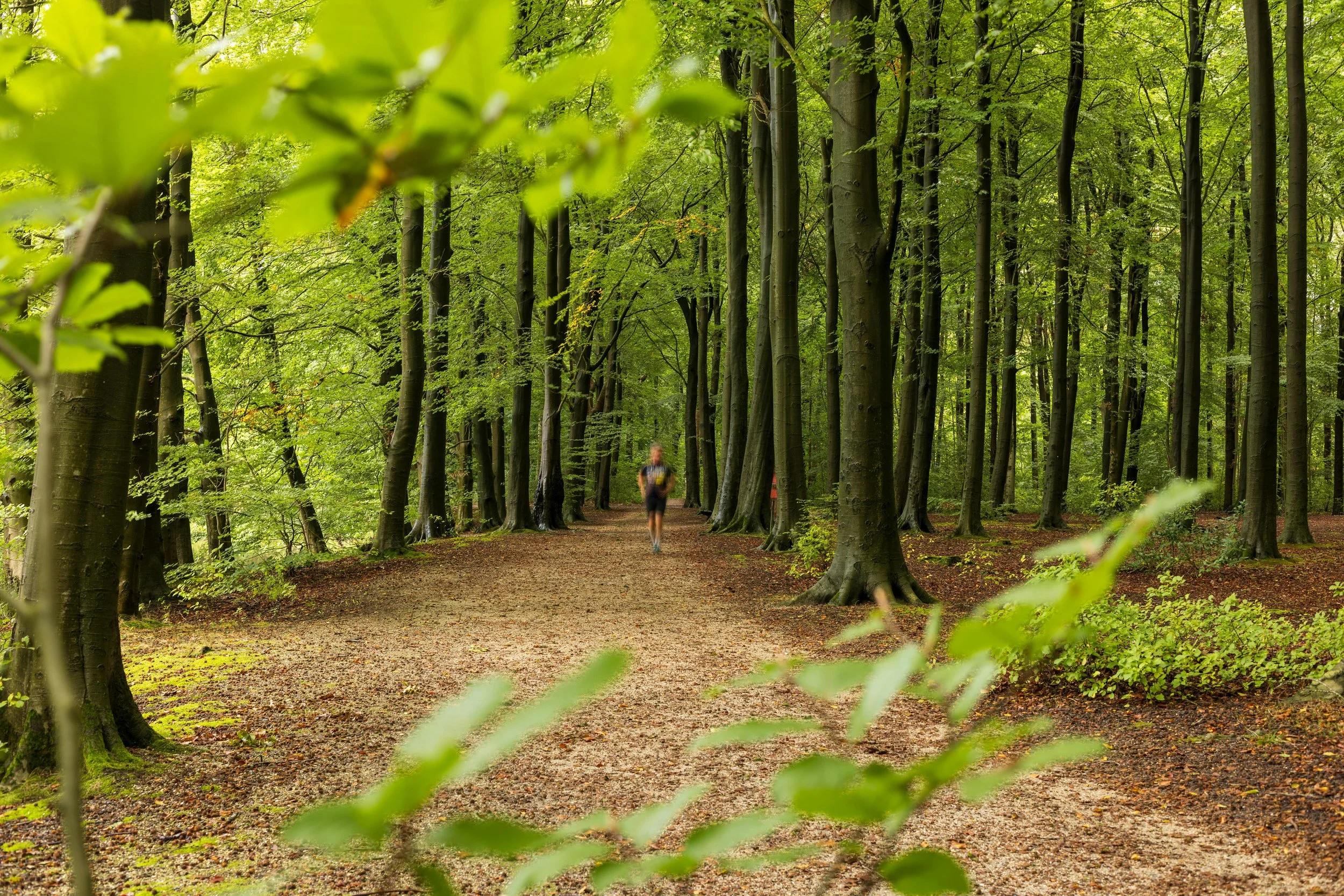
Photo by Brau Jardim on Pexels
If you ask most people, they could probably describe what a “wellness retreat” looks like. Probably a small group of like-minded people gathered at a quiet resort, spending their day in yoga sessions and spa experiences.
And there’s nothing wrong with a trip or vacation centered on recovery and reconnection. But there’s a growing question I’ve noticed among the wellness travel community: What if the trip itself could be as restorative for the destination as it is for me?
This is the question that’s driving the new idea of sustainable wellness travel. It’s changing what conscious travelers expect from their time away – but what does it actually look like?
Want to learn more about crafting a sustainable travel experience that combines luxury with opportunities to give back? Schedule a consultation with me today and let’s chat!
What Do We Mean by “Sustainable Wellness Travel”?
Wellness tourism, on its own, is travel motivated by maintaining or enhancing personal wellbeing. Think of those restorative retreats built on nature immersion and spa experiences. It’s a fast-growing travel market, representing about 7.8% of all trips taken globally.
But these experiences account for nearly 18% of tourism revenue. In other words, wellness tourism is built on high-investment travelers looking for high-meaning experiences.
Sustainable wellness travel (also known as eco-wellness travel) builds on that foundation and adds intentionality. It pairs the benefits of wellness with the principles of responsible travel – low-impact operations, support for local economies, and genuine care for a destination and its culture.
It may seem like a niche, but I think it’s part of a bigger shift we see in sustainable travel – travelers looking to connect their personal values to their vacation choices.
Nature Makes It Work
The principles of sustainable tourism and wellness actually reinforce one another. Clean air, clean water, preserved natural environments – these are found in spaces that connect sustainability goals to wellness assets.
Eco-certified properties are designed to protect and benefit the community and planet, but they also create excellent spots for deeper relaxation.
In other words, when a retreat or property is really committed to low-impact travel practices, the guest experience gets better (not just more virtuous!).
What Does Sustainable Wellness Travel Look Like?
The intention and benefits are great, but what does this type of travel look like? Some of the trends that I’ve noticed emerging include:
Eco-wellness Luxury: High-end properties are integrating renewable energy, organic farm-to-table dining, and nature-based therapies as the standard rather than a premium “add-on” to their experiences.
Slow Travel & Minimalist Retreats: Longer stay in simpler settings with fewer distractions – this is the antithesis of a “quick getaway”. Slow travel allows your nervous system to decompress and can dramatically reduce the environmental cost per day of your trip.
Adventure + Wellness: Sustainable wellness travel experiences combine adventure (kayaking, trekking, ethical wildlife experiences) with health focuses such as breathwork and restorative practices.
Community-Based Wellness Experiences: Locally owned lodges and experiences with indigenous healers and experts in traditional practices – this is community-based tourism at its most meaningful.
Some destinations that are putting these into practice include Six Senses properties (in spots such as Vietnam, Portugal, and Bhutan) and retreats/resorts such as The Retreat Costa Rica and Sri Lanka’s Santani Wellness Resort.
It’s even reached the edge of the world, with eco-conscious retreats like Gwinganna Lifestyle Retreat in Queensland, Australia.
Top Destinations for Sustainable Wellness Travel
The great thing about eco-wellness travel is that the best destinations for it aren't hidden away like secret locales. They're actually some of the already-popular destinations – you just have to know what to look for when planning your trip!
Costa Rica
Costa Rica has long been a global benchmark for eco-tourism, and its wellness scene has grown hand in hand with it. Many retreat properties here are built around sustainable wellness – with organic gardens, renewable energy, and low-impact construction.
You can pair daily yoga and breathwork with guided hikes, surf lessons, and thermal springs, often led by local experts.
Bali, Indonesia
Bali is already a popular destination, but it’s also earned a reputation as one of the world's premier destinations for restorative, spiritual travel — and the wellness infrastructure in places like Ubud runs remarkably deep.
Retreats emphasize plant-based cuisine, locally sourced ingredients, and traditional Balinese healing practices woven naturally into the program. Many of Bali’s properties integrate into rice terraces and jungle hillsides rather than dominating them.
Helsinki, Finland
Helsinki might not be the first place that comes to mind for a wellness escape, but it's one of the most sustainable cities in the world. (There’s a reason why Helsinki is often voted the happiest city on the planet!)
The Finnish wellness tradition centers on everyday rituals (saunas, cold-water dips, quiet time in ancient forests and coastal archipelagos) rather than resort programming.
That makes it an ideal destination for travelers looking for something genuinely restorative, knowing the city itself is aligned with their values.
Queensland, Australia
From the Gold Coast hinterland to tropical north Queensland, you can find eco-conscious retreats across Australia!
Many spots down under encourage wellness through outdoor living. You can enjoy national park hikes, ocean swims, and unhurried time on quiet beaches – you name it. Plus, many properties partner with local communities and guides for reef-safe marine tours, wildlife experiences, and much more.
Ready for Travel that Heals Both Ways?
One of the best arguments for sustainable wellness travel is what it does beyond the traveler. Destinations that encourage this type of travel can still invest in luxury experiences while shifting away from high-volume, low-margin mass tourism.
This is creating real economic opportunity for rural and emerging destinations – places that often have the most to offer in natural beauty and authentic local cultures. When combined with regenerative travel, sustainable wellness tourism can restore and protect everyone involved.
Are you ready to plan a sustainable wellness travel experience that changes you and your destination for the better? Schedule a consultation with me today, and let’s start building your next luxury sustainable travel experience!